
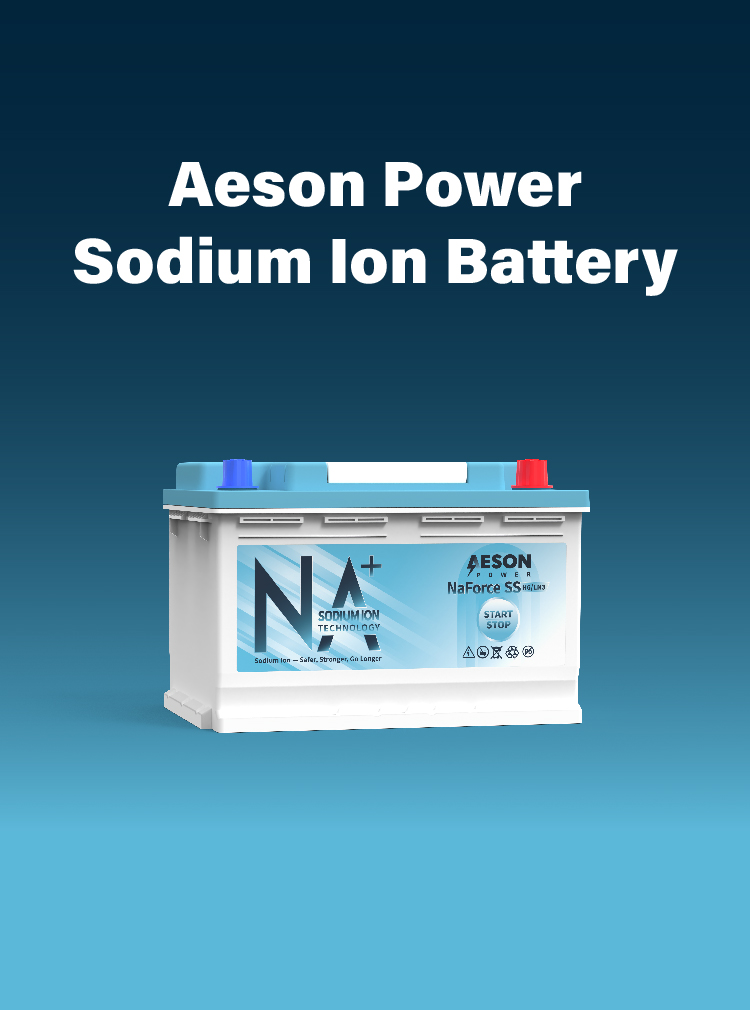
Modern passenger cars rely on batteries that can deliver reliable starting power while supporting increasing electrical demands. With the wider adoption of start-stop systems, traditional lead-acid batteries face higher cycling requirements compared with conventional vehicle batteries. This has encouraged interest in alternative technologies such as sodium-ion batteries.
For vehicle manufacturers and battery system developers, selecting between sodium-ion and lead-acid technology requires careful consideration of cycle life, charging performance, temperature adaptability, weight, and system compatibility. As a sodium ion batteries manufacturer, Aeson Power focuses on developing automotive battery solutions designed for start-stop and starting applications.

The Growing Demand for Advanced Start-Stop Batteries
Start stop systems automatically shut down the engine when the vehicle is stationary and restart it when driving conditions require. This function helps improve fuel efficiency and reduce unnecessary engine idling. However, it also creates more frequent battery charge and discharge cycles.
Unlike traditional vehicles that may only require a battery to start the engine occasionally, start-stop vehicles require batteries to handle repeated engine restarts, power electronic systems during engine-off periods, and recover energy efficiently during driving.
Lead-acid batteries, including enhanced flooded batteries and absorbent glass mat (AGM) batteries, have been widely used in these applications. However, frequent cycling and demanding driving environments can accelerate battery aging. This has created demand for battery technologies with improved durability and operational stability.
Understanding Lead-Acid Batteries in Automotive Applications
Lead-acid batteries have a long history in passenger vehicles due to their mature manufacturing process, established supply chain, and compatibility with existing vehicle systems. They remain a common choice for many conventional vehicles.
One advantage of lead-acid batteries is their cost effectiveness and widespread availability. Vehicle platforms are already designed around their voltage characteristics, charging requirements, and installation standards.
However, lead-acid technology also has limitations. These batteries generally have lower cycle durability compared with newer battery chemistries, especially under frequent start-stop conditions. Their heavier structure can also increase vehicle weight, while performance may decrease in extreme temperatures.
For vehicles operating in urban environments with frequent traffic stops, battery performance consistency becomes an important consideration.
How Sodium-Ion Batteries Compare with Lead-Acid Technology
Sodium-ion batteries use sodium-based materials instead of lead-based chemistry, offering different performance characteristics for automotive applications. A sodium battery manufacturer needs to consider not only cell chemistry but also battery structure, safety design, and compatibility with vehicle electrical systems.
One major difference between sodium-ion and lead-acid batteries is cycle performance. Sodium-ion batteries are designed to support repeated charging and discharging, making them suitable for vehicles that experience frequent start-stop operation. Aeson Power’s sodium-ion start-stop batteries are developed for passenger cars and can replace certain traditional battery formats used in start-stop applications.
Weight is another consideration. Sodium-ion batteries can provide a lighter solution compared with traditional lead-acid batteries of similar automotive applications. Reducing battery weight can contribute to improved vehicle efficiency and easier installation.
Temperature performance is also an important factor. Passenger vehicles may operate in cold winters, hot summers, and changing road conditions. Battery technology that maintains stable performance across a wider temperature range can help improve starting reliability.
Key Factors When Selecting a Start-Stop Battery
When comparing sodium-ion and lead-acid batteries, several factors should be evaluated according to vehicle requirements.
Cycle life is one of the most important considerations. Vehicles used in cities with frequent stops and starts place greater stress on batteries. A battery with strong cycling capability can help reduce replacement frequency and maintain consistent operation.
Charging efficiency is another important factor. Modern vehicles often include energy recovery systems and advanced electrical management functions. Batteries need to accept charge effectively while maintaining long-term stability.
Safety and reliability are also essential. Battery design must consider vibration resistance, temperature changes, and daily driving conditions. Sodium-ion technology provides another option for applications where stable operation and durability are priorities.
The Role of Battery Design and Integration
Choosing a battery technology is not only about chemistry. Successful automotive applications require integration between the battery, charging system, vehicle electronics, and control strategy.
A professional sodium-ion batteries manufacturer needs to provide solutions that match real vehicle requirements, including battery dimensions, electrical specifications, and application environments.
Aeson Power develops sodium-ion solutions for passenger cars, including start-stop and starting batteries designed around automotive requirements. Its transportation solutions focus on reliable starting performance, fast charging capability, and long service life for different vehicle applications.
Conclusion
Sodium-ion and lead-acid batteries each have their own advantages for passenger car start-stop systems. Lead-acid batteries remain widely used due to their mature technology, while sodium-ion batteries offer new possibilities in cycle performance, weight reduction, and long-term reliability.
As vehicle electrical systems continue to evolve, selecting the right sodium battery manufacturer becomes increasingly important. Aeson Power provides sodium-ion battery solutions designed to support modern automotive applications and changing energy requirements.
