
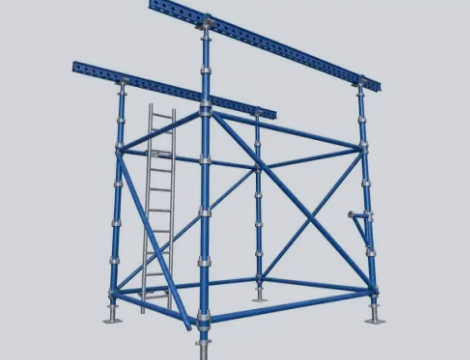
Construction companies often need to decide how to purchase scaffolding before starting a project. Some buyers prefer complete systems because they can receive matched components, while others choose individual parts to support existing equipment. The right option depends on project conditions, budget planning, storage capacity, and future usage requirements.
Scaffolding procurement involves more than selecting several metal components. Connection methods, component compatibility, transportation arrangements, and installation processes all influence daily construction work. Understanding the differences between complete systems and separate parts can help contractors and distributors make more practical decisions.
What Complete Scaffolding Systems Include

Complete scaffolding systems are designed with multiple components that work together as one structure. Standards, ledgers, braces, platforms, and connection parts are usually developed according to the same design requirements, which helps construction teams organize installation more effectively.
For new projects, a complete system can provide a clearer equipment plan. Buyers can review the full structure, understand how components connect, and prepare installation procedures before equipment arrives at the construction site.
Large projects often involve different working areas and construction stages. A coordinated scaffold structure allows teams to adjust layouts based on site conditions while taking component matching into consideration.
A professional scaffolding manufacturer usually focuses on the relationship between individual parts and the complete structure. Product design, manufacturing accuracy, and connection compatibility are important factors when evaluating whether equipment can support practical applications.
Complete Systems and Individual Parts: Key Differences
Individual scaffolding parts are often considered by companies that already own equipment. Rental businesses, for example, may need additional standards, braces, or platforms to expand their available inventory or replace worn components.
This purchasing method provides flexibility, but it also requires careful checking. Components from different sources may have differences in dimensions, connection structures, or technical specifications. These details need to be reviewed before combining different parts.
Complete systems usually reduce the need for separate compatibility checks because components are designed to work together. This can help companies manage preparation work when starting new construction projects.
When comparing building scaffolding for sale, buyers should consider their current equipment situation. Companies with existing inventory may only need selected parts, while new projects may require a complete structure to support their overall construction plan.
Factors Behind Suitable Scaffolding Selection
The working environment plays an important role in equipment selection. Commercial buildings, industrial facilities, and infrastructure projects may have different requirements because of their layouts, construction methods, and site conditions.
For example, projects with limited working space may require carefully planned scaffold arrangements. Large open construction areas may have different needs related to access, platform size, and movement between working sections.
Load expectations, construction height, and installation conditions should also be considered during the selection process. These factors help companies understand whether a complete system or individual components are more suitable.
Rongze provides Ringlock scaffolding systems, together with construction formwork and supporting building materials. It offers scaffolding equipment and formwork construction solutions for construction and engineering applications worldwide.
Ringlock scaffolding uses modular connection structures that allow different components to be arranged according to project requirements. This type of design can support various construction layouts while helping teams organize assembly procedures more clearly.
How Equipment Planning Affects Project Management
Scaffolding purchasing decisions can influence more than the installation stage. Equipment planning also affects transportation, storage, maintenance, and future project preparation.
For companies managing several construction sites, standardized equipment organization can simplify inventory management. When components are clearly classified, teams can identify required parts and prepare equipment before each project begins.
Complete systems may provide advantages in equipment management because components are purchased as a coordinated group. However, companies with existing stock may prefer individual parts to maintain flexibility and control purchasing costs.
Maintenance planning is another factor that should be considered. Construction teams need to inspect components regularly and understand how different parts connect. Clear equipment records can support better management throughout the service period.
Suppliers also play a role in the purchasing process by providing technical details and product information. Buyers can review drawings, specifications, and application guidance before making decisions.
Choosing Based on Actual Construction Needs
Selecting between a complete system and individual parts requires an understanding of the project’s current and future requirements. There is no single purchasing method that fits every construction situation because different companies have different equipment conditions and management plans.
A detailed evaluation can include connection structures, component compatibility, installation methods, and storage arrangements. These factors help buyers identify equipment that matches their actual working environment.
Rongze focuses on Ringlock scaffolding systems and related construction materials for global markets. It provides scaffolding products, construction formwork, and supporting building materials for different engineering applications.
For companies searching for a suitable scaffolding manufacturer, reviewing system design, manufacturing processes, and product information can help create a clearer sourcing plan. Understanding the relationship between complete structures and individual parts allows buyers to select equipment based on practical project needs.
When evaluating building scaffolding for sale, construction companies and distributors can benefit from comparing both options carefully. Considering compatibility, application conditions, and long-term management requirements helps create more organized equipment strategies for future projects.
