
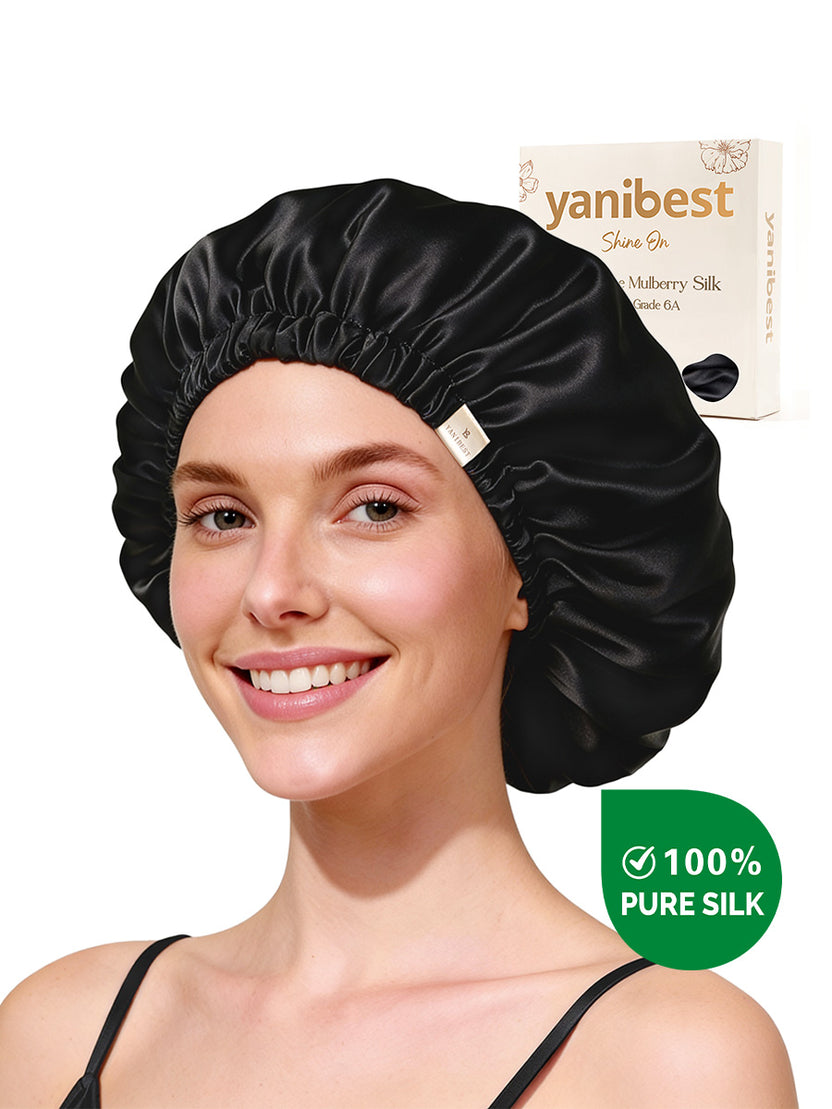
Investing in dedicated hair sleepwear often raises practical questions regarding material cost versus daily performance. Standard cotton pillowcases can absorb natural hair oils and leave-in products throughout the night, leaving strands feeling dry, frizzy, and brittle by morning.
A natural silk bonnet can do more than cover the hair at bedtime; it can also reduce friction and help preserve everyday hairstyles. Its long-term value ultimately depends on details such as silk quality, fabric weight, and the way the tie closure fits and stays in place.

Why 100% Mulberry Silk Matters for a Bonnet
The primary factor driving the overall performance of any nightcap is its fiber composition. When evaluating a mulberry silk tie bonnet, the natural protein structure creates an exceptionally smooth surface that allows hair strands to glide effortlessly during sleep movement.
Unlike more absorbent fabrics such as cotton, silk can reduce the amount of hair oils and leave-in products transferred from the hair to bedding during sleep. This barrier helps hair retain surface smoothness overnight without stripping away essential moisture or leaving ends vulnerable to friction.
Material breathability also affects overall nighttime comfort and temperature perception. Some polyester-based satin fabrics may feel warmer or less breathable than silk, particularly in hot sleeping environments. Pure silk can offer a lighter, more breathable feel for sleepers who are sensitive to elevated nighttime heat.
How Adjustable Tie Straps Improve Overnight Fit
Even smooth fabric cannot protect hair if a head cover shifts or slips off completely before morning. Traditional nightcaps frequently rely on rigid elastic bands that can loosen during sleep movement, exposing delicate edges and strands to constant friction against bed sheets.
Narrow elastic bands may also leave temporary pressure marks or feel uncomfortable around the forehead after several hours of wear. Constant tension around the temples may feel uncomfortable or place additional tension on fragile hairline strands over time.
Adjustable tie straps allow you to customize the band tension according to your specific head size and personal comfort preferences. Designers such as YANIBEST incorporate wide ribbons that lie flat against the hairline, keeping hair contained without applying excessive pressure to sensitive edges.
Where the Long-Term Value of a Silk Bonnet Comes From
The practical value of wearing a silk bonnet becomes clear when looking at daily morning styling routines. Reducing friction during sleep helps minimize surface frizz, tangles, and stubborn bedhead, which can lessen the time, effort, and product needed for morning restyling.
Relying less on thermal tools like curling irons or flat irons helps maintain natural strand elasticity over time. Reducing friction may help limit mechanical stress on the hair, which can be relevant for people focused on retaining length.
Because silk tends to transfer less hair product to bedding than more absorbent fabrics, less product is wasted during sleep. This helps you get the most out of your favorite leave-in creams, hydration masks, and scalp oils over time.
For high-maintenance hairstyles like braids, locs, or extensions, protecting strands overnight can help maintain their neat appearance between styling sessions. Keeping styles more controlled overnight may reduce the need for frequent morning restyling.
Choosing the Right Fabric Weight and Construction
Understanding fabric specifications helps when selecting practical, long-lasting sleepwear for night routine care. For regular nighttime use, a 22 Momme silk bonnet offers a balance of fabric weight, durability, and breathability.
Lighter silk fabrics may feel overly fragile under routine washing, while heavier weights can feel warm depending on room temperature and personal preference. A mid-range momme weight resists daily wear while remaining soft against skin.
Layering options also influence overall performance and durability. Single-layer designs can feel lighter in warm weather, whereas double-layer construction adds structure and fabric weight. The YANIBEST Tie Band bonnet features a double-layer construction that adds structure and provides a smooth silk surface on both sides.
Simple Care Practices for Everyday Longevity
Routine maintenance keeps natural silk smooth and clean over extended use. Hair products, natural scalp oils, and environmental dust gradually accumulate on fabric layers over days of wear, making regular washing important for keeping the bonnet clean during continued use.
Hand washing in cool water with a mild, pH-neutral liquid detergent is the gentlest way to clean delicate silk items. Gently swirling the material in soapy water without scrubbing or twisting preserves thread integrity and keeps colors vibrant.
If machine washing is permitted by the care tag, placing your silk bonnet inside a mesh laundry bag reduces friction against other laundry items. Use a cold water cycle, select gentle agitation settings, and avoid bleach or harsh fabric softeners.
Air-drying flat on a clean towel in a shaded area away from heat sources preserves fabric shape. Letting tie straps rest naturally without stretching maintains their flexibility and tension over long-term ownership.
What Makes a Mulberry Silk Tie Bonnet a Worthwhile Choice?
For sleepers looking to manage hair friction and keep hairstyles intact overnight, investing in a mulberry silk tie bonnet provides a functional balance of material smoothness and adjustable fit.
Combining natural fibers with customizable tie closures addresses both overnight friction and band slippage in a simple design. Rather than relying on a fixed band, the adjustable tie allows the fit to be customized for different head sizes and hair volumes.
When you are comparing different options, looking closely at construction quality, fabric weight, stitching, and closure design is just as important as checking the fiber purity. YANIBEST offers silk bonnet options built around these practical details for regular nighttime use.
