
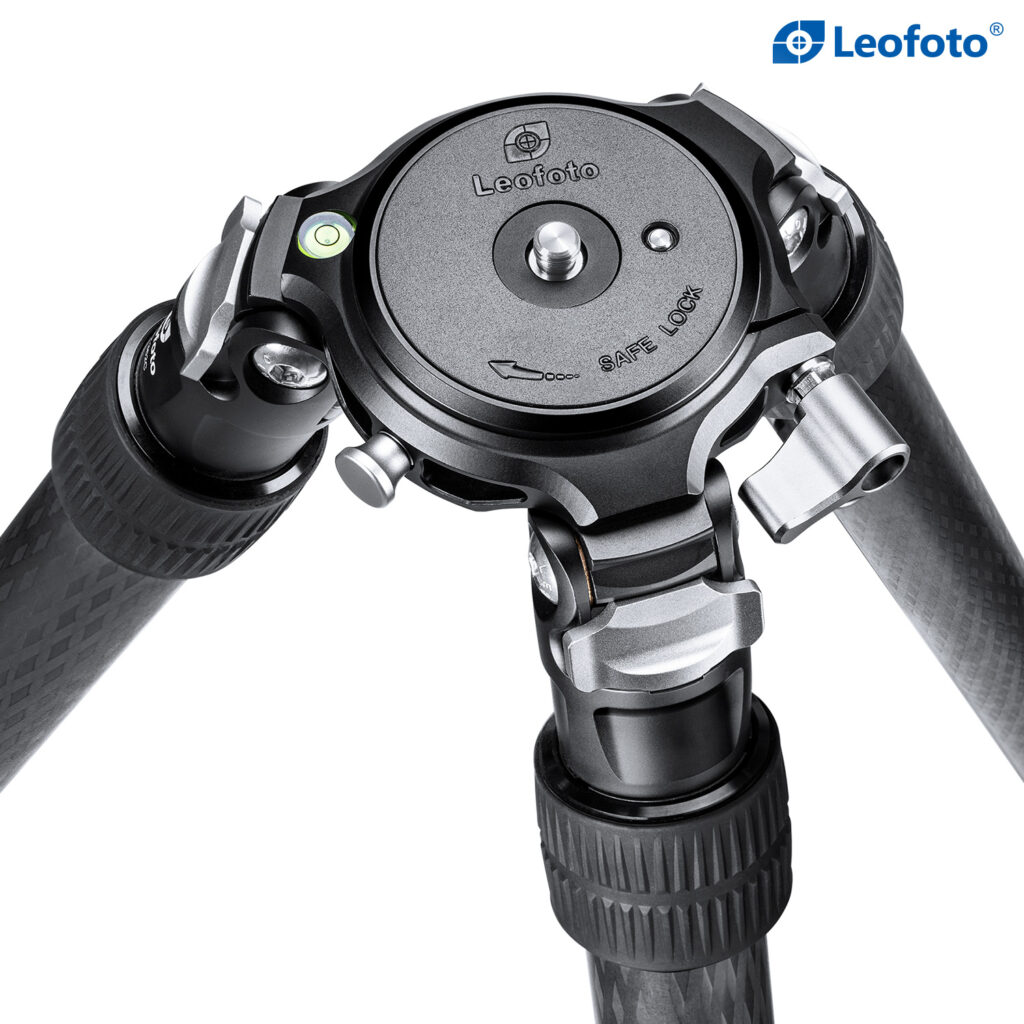
Selecting an outdoor support system depends entirely on matching mechanical capabilities with real-world operating demands. Hardware dimensions, weight limits, and adjustment mechanics dictate how effectively a platform performs under challenging environmental conditions in the field.
Understanding the intended user profile clarifies whether a specialized rig justifies a place in your kit. Carefully analyzing who benefits most from the Leofoto 362 requires looking directly at its mechanical attributes, structural materials, and operational design.

Primary User Profiles Requiring High Load Capacities
Heavy optical rigs and firearm platforms require exceptional torsional stiffness to prevent reticle shift or framing drift. Support systems that lack structural rigidity flex under sustained weight, making precise target acquisition or long-exposure capture unnecessarily difficult.
Precision rifle shooters utilizing weighty optics, heavy barrels, and tactical accessories gain direct advantages here. Choosing a carbon-fiber hunting tripod with a verified 40 kg load capacity provides the structural security necessary to stabilize hefty long-range gear without mechanical strain.
Substantial load ratings also provide immediate value to wildlife videographers operating large cinema bodies with heavy telephoto lenses. Having access to a solid foundation prevents sagging, keeping high-magnification glass steady during critical observation moments.
Maintaining substantial payload headroom protects delicate optics and precision firearms from mechanical drift. System stability remains firm even when heavy target rifles or video telephoto assemblies encounter sudden lateral forces during field operation.
Structural dampening plays a decisive role in both shooting disciplines and optical recording. Ten layers of Toray carbon-fiber form each leg segment, offering substantial vibration absorption and structural resilience while maintaining an easily manageable carry weight across long field excursions.
Field Marksmen and Hunters Navigating Unstable Ground
Backcountry hunting demands versatile positioning across steep hillsides, rocky scree, and loose forest loam. Hunters relying on a dedicated carbon-fiber hunting tripod gain essential adaptability when forced to establish stable shooting positions on non-level terrain.
Uneven terrain requires independent leg articulation rather than fixed, uniform leg angles. Twist-lock joints enable swift, fluid tensioning, permitting quick extension adjustments without awkward fiddling while tracking moving animals across changing landscapes.
Setting up on broken grades relies heavily on multi-angle leg stops. Three available locking leg positions allow field operators to splay the legs at distinct angles, achieving a proper level even when setting up across steep, irregular slopes.
Ground stability depends heavily on achieving positive mechanical bite against varying terrain substrates. Standard rubber feet maintain steady surface contact over hard rock, preventing unwanted sliding during delicate framing or sighting procedures.
Swapping to the included steel spiked feet secures dependable traction when operating in soft soil, wet turf, or deep snow. Having interchangeable foot options directly at hand allows outdoor users to adjust their anchoring method according to actual environmental demands.
Dynamic Outdoor Operators Demanding Rapid Setup
Fast-paced field situations favor the Leofoto 362 because inverted leg segments keep adjustments within immediate reach. Positioning twist locks near the upper platform allows operators to alter leg lengths while remaining behind the rifle or optics.
Mobile marksmen frequently transition between prone, kneeling, and standing positions during varied engagements. Inverted legs streamline these adjustments by eliminating the need to stoop down into wet brush or mud to loosen lower locking collars.
Traditional tripod designs often suffer from tangled leg assemblies when pulled quickly from vehicle boots or carry straps. Because leg tubes no longer cross during folding, unpacking remains orderly and remarkably smooth during time-sensitive deployments.
Keeping gear orderly under intense pressure directly enhances operational speed. Field operators can deploy, level, and secure the legs in rapid sequence without wrestling against intertwined tubing or awkward hardware points.
Rapid mechanical deployment directly benefits tactical shooters navigating timed competitive stages. Getting into position swiftly without struggling against crossed tubes or stiff locks saves valuable seconds when match rules reward fast, accurate engagement.
Photographers and Spotters Requiring Modular Utility
Serious wilderness creatives find that the Leofoto 362 bridges the gap between tactical stability and imaging utility. Pairing heavy spotting scopes, gimbal heads, or fluid heads to a rigid apex meets the rigorous demands of remote observational work.
Machined from 6061-T6 aluminum using precise CNC processes, the apex platform provides rugged structural integrity without unnecessary bulk. A fixed platform geometry keeps the overall apex substantially more compact than larger models in the SO series, aiding overall packability.
Mounting flexibility comes standard through an integrated 3/8-inch stud that accepts standard professional ball heads, leveling bases, and specialized gun clamps. Direct thread engagement creates a firm connection point that resists loosening under recoil shock or rotational movement.
Outdoor content creators also benefit from the dedicated 1/4-inch accessory mounting socket integrated directly into the aluminum apex. Securing friction arms, monitors, external battery packs, or ballistic instruments transforms the tripod into an efficient, centralized field workstation.
Deciding If This Support System Matches Your Field Requirements
Choosing specialized equipment requires weighing distinct mechanical advantages against your routine operating conditions. Individuals who shoot primarily from indoor bench rests or level paved surfaces rarely require specialized leveling versatility or inverted legs.
Conversely, deploying a carbon-fiber hunting tripod engineered around a 40 kg threshold represents an ideal solution for backcountry marksmen, tactical competitors, and outdoor videographers. These users routinely push their gear across rugged environments where reliable structural support remains essential.
Ultimately, operators handling heavy precision rifles or oversized camera kits on broken terrain derive the greatest value from this platform. Combining 10x Toray composite legs, rapid inverted deployment, and versatile mounting interfaces delivers a dependable, purpose-built field solution designed specifically for demanding outdoor pursuits.
