
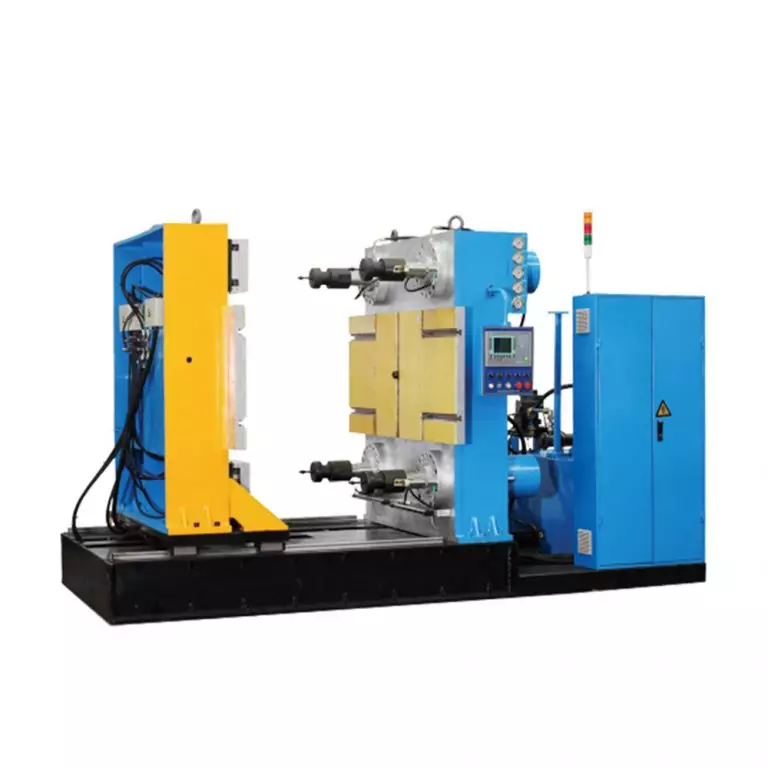
Choosing the right raw material is pivotal to unlocking the full performance potential of horizontal injection molding machines. Each material features unique flow properties, curing characteristics and thermal properties, which directly affect production efficiency and finished part quality. For manufacturers using HWAYI horizontal rubber injection molding machine, a solid understanding of material compatibility is essential for maintaining stable processing and consistent product output. A comprehensive evaluation of material selection enables enterprises to maximize their equipment’s inherent performance capabilities.
Liquid Silicone Rubber and High-Performance Elastomers
Liquid silicone rubber (LSR) is one of the most suitable materials for a horizontal injection moulding machine, particularly in applications requiring precision and durability. LSR offers excellent thermal stability, chemical resistance, and electrical insulation properties, making it widely used in medical, automotive, and energy sectors. Its low viscosity allows efficient injection, while controlled curing ensures high repeatability.
A horizontal rubber injection molding machine designed with closed-loop control systems can precisely regulate injection pressure and speed, which is particularly important for LSR processing. In addition, horizontal clamping structures with high parallelism support uniform mold filling, reducing defects.

Other high-performance elastomers, such as EPDM and silicone blends, are also well-suited for these machines. These materials benefit from stable clamping force and consistent temperature control, enabling the production of complex geometries. The tie-bar-less design often found in advanced machines provides additional workspace, facilitating mold installation and improving operational efficiency when handling large or intricate molds.
Thermoset Materials and Specialized Industrial Compounds
Thermoset materials are also well suited for processing on horizontal injection molding machines. Typical options include phenolic resins and specific epoxy compounds, both of which demand precise temperature control throughout the curing phase. HWAYI horizontal rubber injection molding machines, fitted with high-rigidity clamping systems and solid machine bases, reliably maintain process stability and molding consistency for such thermoset applications. In high-end industrial scenarios, horizontal injection technology is ideal for producing high-voltage insulation components like insulators and cable accessories. The system supports seamless integration with auxiliary devices such as dosing units and metering pumps, enabling precise material dosing and refined process control. Additionally, guided rail platen design boosts operational safety and overall reliability during long-term continuous production.
Aligning Material Selection with Equipment Capability
Material selection for a horizontal injection moulding machine should align with both processing requirements and equipment design. Manufacturers such as HWAYI provide advanced solutions with patented horizontal clamping structures, high stability, and integrated system configurations. These machines are engineered to process materials like LSR, elastomers, and thermosets efficiently.
