
Two warranties can state the same duration and still produce very different outcomes after a failure. One may define covered parts, response channels, and claim evidence clearly, while another leaves those matters open to interpretation. A sound comparison therefore looks beyond the number of months. Applying the same failure scenarios to every proposal makes the differences visible under comparable conditions.
Before purchasing a high shear mixer, the buyer should examine when coverage begins, what events qualify, what obligations remain with the operator, and how technical assistance is delivered. A usable warranty must therefore define coverage, operating obligations, evidence, and the route from a reported fault to a remedy.

Clarify the Start Date and the Covered Equipment
The warranty clock can begin at shipment, delivery, installation, commissioning, or another stated event, and those dates may be weeks apart. The contract identifies the trigger and connects it to the serial number, model, and supplied configuration. It should also show whether accessories, controls, seals, or other included components follow the same period.
Long storage before commissioning deserves particular attention because time may pass before normal operation begins. A buyer comparing a high shear mixer needs this scope in writing because a general product statement may not describe every item in the project. The precision of that coverage definition provides a more useful comparison among mixing equipment manufacturers than the headline duration alone.
Distinguish Defects from Operating and Maintenance Conditions
Coverage usually depends on why a component failed and whether the equipment was used within agreed conditions. The warranty distinguishes manufacturing defects, installation issues, wear, misuse, unauthorized modification, and maintenance requirements.
It should also identify any inspection interval, consumable replacement, or recordkeeping duty that affects eligibility. Operating records may become important evidence when a claim concerns a high shear mixer exposed to a particular material or duty.
Clear wording from mixing equipment manufacturers makes the exclusion process understandable instead of leaving every failure to be classified after the event. Clear definitions protect both the customer and the supplier from assumptions that were never part of the order.
Examine the Remedy Not Just Eligibility
A valid claim still needs an actionable response. The claim procedure states how a problem is reported, what information supports diagnosis, whether remote troubleshooting comes first, and when on-site maintenance may apply.
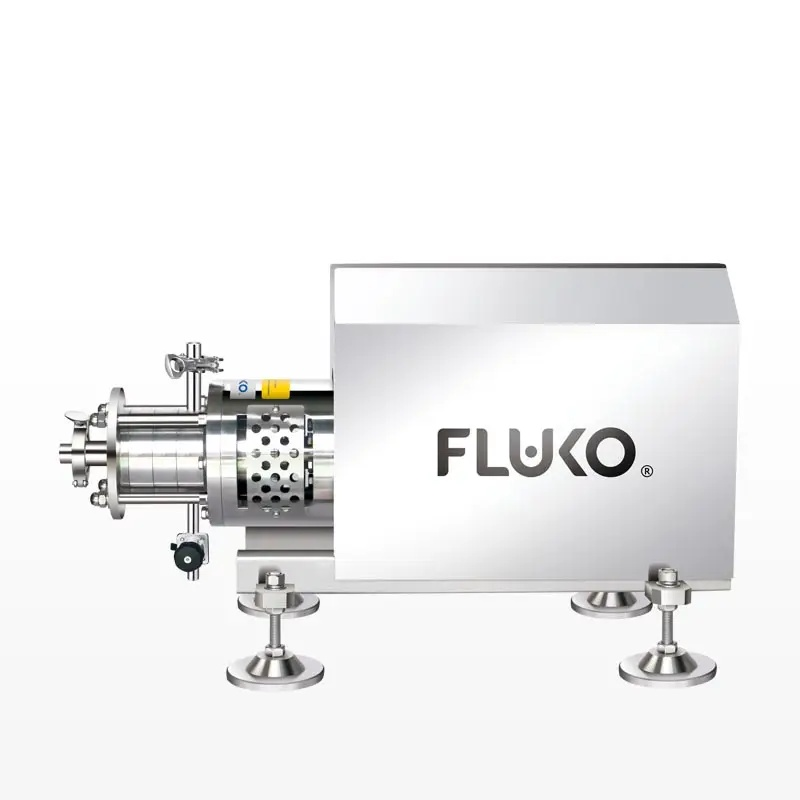
Response time, diagnosis time, and final remedy time are separate intervals and should not be represented by one vague service target. In the available FLUKO terms, staged quality inspections precede shipment, and the stated warranty period is 12 months for all products.
Its technical assistance spans time zones and includes remote troubleshooting, with on-site maintenance where applicable. For a high shear mixer, these service channels affect how an accepted issue moves toward resolution. A complete comparison across mixing equipment manufacturers identifies responsibility for labor, travel, shipment, and replacement decisions rather than inferring those terms.
Connect Pre-Delivery Checks with Post-Delivery Support
Quality records can reduce uncertainty about when and where a problem arose. A documented inspection before shipment establishes an initial condition, while validation after delivery can identify discrepancies linked to installation or project requirements.
The records are most useful when acceptance criteria and responsible signatories were agreed before the checks occurred. FLUKO’s broader process covers consultation, engineering design and planning, production with in-line testing, scheduled delivery, post-delivery validation, and ongoing support.
That sequence gives a buyer more context for a high shear mixer warranty claim than duration alone. Pre-shipment inspection records can establish the equipment condition before dispatch, while post-delivery validation can document installation or configuration discrepancies and later service records can show reported symptoms and troubleshooting actions. Linking these records provides the buyer and the mixing equipment manufacturer with a clearer evidence trail when determining how a warranty claim should be handled.
Account for Custom Engineering and Scale
Customized equipment may contain project-specific features that need explicit warranty treatment. The agreement should identify who approves the design, how performance expectations are documented, and whether a prototype or feasibility assessment affects acceptance.
A custom performance target should not silently become a warranty promise unless the contract defines the test method and threshold. FLUKO supports custom projects through engineering review and prototyping, and its portfolio covers laboratory, pilot, and industrial-scale dispersing, emulsifying, homogenizing, and mixing equipment.
These capabilities do not define the warranty for every high shear mixer order; they show why project records must follow the selected scale and configuration. Custom elements need an explicit place in the same claim process used by mixing equipment manufacturers for standard components.
Build a Comparison That Reduces Disputes
A useful warranty matrix lists the start event, duration, covered equipment, exclusions, maintenance duties, claim evidence, response path, available remote or on-site support, cost allocation, and connection to delivery validation. It should note any unanswered item rather than treating silence as equivalent coverage.
The buyer can test each clause against a realistic high shear mixer failure instead of awarding the order to whichever document shows the largest number. Written answers from mixing equipment manufacturers should then become part of the purchase record. The strongest warranty is the one that leaves the least ambiguity about responsibility after a covered problem occurs.
