
Selecting appropriate materials for building projects requires careful planning and strategic sourcing. Project managers often face challenges when sourcing surface finishes that meet aesthetic and functional demands. Identifying a reliable production partner streamlines this process significantly. The decision impacts timelines, budget adherence, and the longevity of the installation.
Finding a capable partner involves looking beyond basic catalogs. Buyers should evaluate manufacturing facilities based on technical capabilities, quality assurance protocols, and historical performance. This methodical approach mitigates risks associated with material defects or delivery delays. A structured selection process proves invaluable for large-scale developments and custom housing builds.
Assessing Versatility in a Ceramic Tile Manufacturer
A proficient ceramic tile manufacturer must demonstrate adaptability across various project scopes. Residential designs often prioritize warm aesthetics and unique textures. Conversely, commercial spaces generally demand high durability due to increased foot traffic. Sourcing from a versatile factory simplifies supply chains for mixed-use developments and varied architectural portfolios.

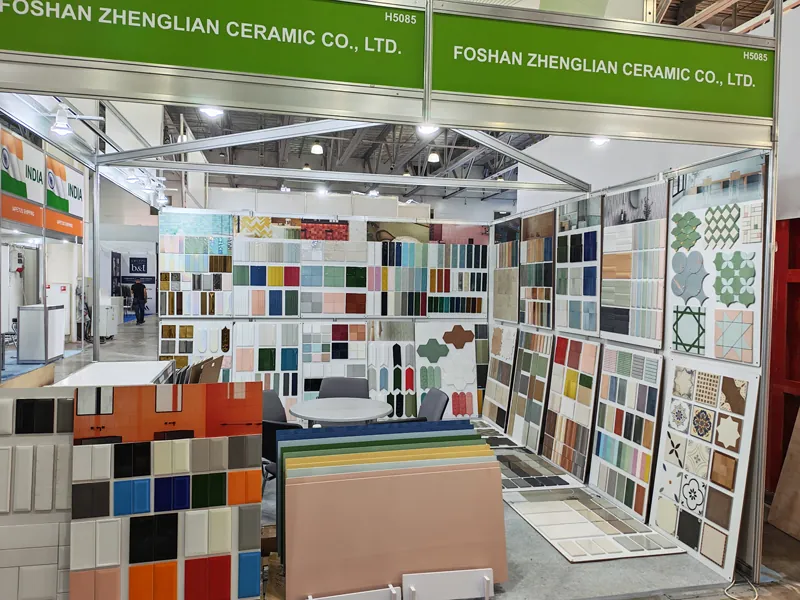
Suppliers offering comprehensive portfolios present significant value to purchasing agents. Facilities like JLA Ceramics produce a wide range of options, including classic subway formats, intricate mosaics, and glazed panels. This product breadth allows designers to maintain cohesive interior themes while utilizing appropriate materials for different functional building zones.
Evaluating a factory’s ability to produce multiple finishes is a prudent step. Glossy surfaces often suit residential kitchen backsplashes, reflecting light to enhance spatial perception. Matte finishes generally serve commercial bathroom walls better, offering a sophisticated appearance while hiding watermarks. Diverse glazing capabilities accommodate broader architectural requirements.
Verifying Technical Specifications and Standards
Technical specifications dictate a product’s suitability for specific applications. Procurement teams should rigorously review physical property data sheets before finalizing contracts. For instance, wall cladding materials typically feature a water absorption rate exceeding 10 percent. This characteristic helps secure proper adhesion when using standard setting materials on vertical surfaces.
Floor applications necessitate entirely different technical parameters to withstand daily wear. Heavy-duty surface materials often require water absorption rates below 0.5 percent to prevent moisture damage. Verifying these dimensional and physical tolerances ensures the chosen materials will endure the specific environmental stressors of the intended installation site.
Dimensional consistency plays a pivotal role in installation efficiency. Standard formats, such as 75x150mm, 100x200mm, and 300x600mm, require precise calibration during the firing process. Tight manufacturing tolerances prevent uneven grout lines and surface lippage. This precision significantly reduces labor costs and material waste for contractors on busy job sites.
Production Capacity and Meeting Timelines
Construction schedules rely heavily on predictable material deliveries. Delays in surface finish procurement can halt entire project phases, leading to cost overruns. Evaluating a supplier’s production volume provides insight into their ability to handle bulk orders. Factories must demonstrate the capacity to fulfill extensive requirements without compromising quality.
Established operations often feature advanced kiln technologies and automated pressing lines. JLA Ceramics, for example, maintains a substantial monthly production capacity of approximately 200,000 square meters. This scale of operation offers reassurance to commercial developers that large sequential orders can be processed and shipped according to rigid construction timelines.
Customization Options Offered by JLA Ceramics
Standard product lines sometimes fall short of specialized design requirements. Boutique hotels or branded retail spaces frequently require bespoke color palettes or unique embossed patterns to match corporate identities. A competent manufacturing partner offers Original Equipment Manufacturer (OEM) and Original Design Manufacturer (ODM) services to support custom visions.
Engaging with a flexible ceramic tile manufacturer enables architects to experiment with unconventional layouts. Custom sizing or specialized edge treatments, like precise beveling, elevate standard installations into focal points. Factories equipped to handle specialized tooling requests provide significant creative freedom to interior design professionals handling high-profile commissions.
Quality Control and Safe Transit
Consistent quality management separates premium suppliers from average commodity producers. Facilities operating under ISO 9001 standards demonstrate a commitment to procedural consistency across all manufacturing phases. This structured approach to quality assurance minimizes the risk of receiving batches with varying color shades or structural defects during long-term project deployments.
The journey from an international factory to a local job site involves significant logistical handling. Substandard packaging frequently results in transit damage, causing material shortages. Manufacturers employ robust packing protocols to protect fragile edges and delicate glazed surfaces during prolonged ocean freight and subsequent intermediate warehouse transfers.
Standardized export packaging generally involves placing materials into reinforced neutral cardboard cartons. These cartons are then systematically stacked onto durable wooden pallets. Utilizing shrink-wrap and industrial strapping secures the load, preventing internal shifting during transit. Proper palletization maximizes container space utilization while safeguarding the shipment’s structural integrity.
Finalizing Your Sourcing Strategy
Selecting appropriate manufacturing partners requires diligent research and comparative analysis. By focusing on technical transparency, production capacity, and documented quality standards, procurement teams build resilient supply chains. The chosen factory becomes an integral component of the project’s overall success, contributing directly to the final aesthetic and structural durability.
Successful projects rely on stable, communicative vendor relationships. Clear agreements outlining technical expectations, lead times, and packaging requirements prevent misunderstandings. Partnering with a dedicated ceramic tile manufacturer equips developers with the necessary resources to execute both residential renovations and expansive commercial builds with confidence and professional precision.
Establishing a long-term sourcing strategy yields ongoing benefits for architectural firms and contractors. Reliable access to high-quality surface materials, such as those supplied by JLA Ceramics, simplifies future project planning. Consistent supplier performance ultimately translates to enhanced client satisfaction and stronger market positioning for construction professionals across the industry.To browse wood-look plank formats, surface finishes, and color options, visit JLA Ceramics.
