
The global confectionery sector is undergoing a notable shift as consumer preferences become increasingly varied. Modern retail outlets no longer rely solely on traditional candy offerings to satisfy shoppers. Instead, buyers frequently seek distinct textures, inventive shapes, and nuanced flavor profiles.
To keep up with these changing expectations, retail buyers are expanding their inventory selections. Managing a wider array of products allows stores to appeal to different demographic segments, from young children to adults seeking nostalgia. Consequently, supply chains must adapt to support higher variability in product design and volume.
Meeting this multifaceted demand presents operational challenges for retail organizations that lack internal production infrastructure. As a result, commercial candy brands increasingly depend on specialized production facilities. These manufacturing entities provide the technical expertise and flexible capacity needed to deliver varied product lines.
Flexible Solutions from Modern Gummy Candy Manufacturers

To address diverse market requests, experienced gummy candy manufacturers are restructuring their operational approaches. Facilities are placing greater emphasis on custom molding capabilities, allowing for specialized product shapes. Rather than offering standardized confections, producers can create distinctive items tailored to specific retail themes.
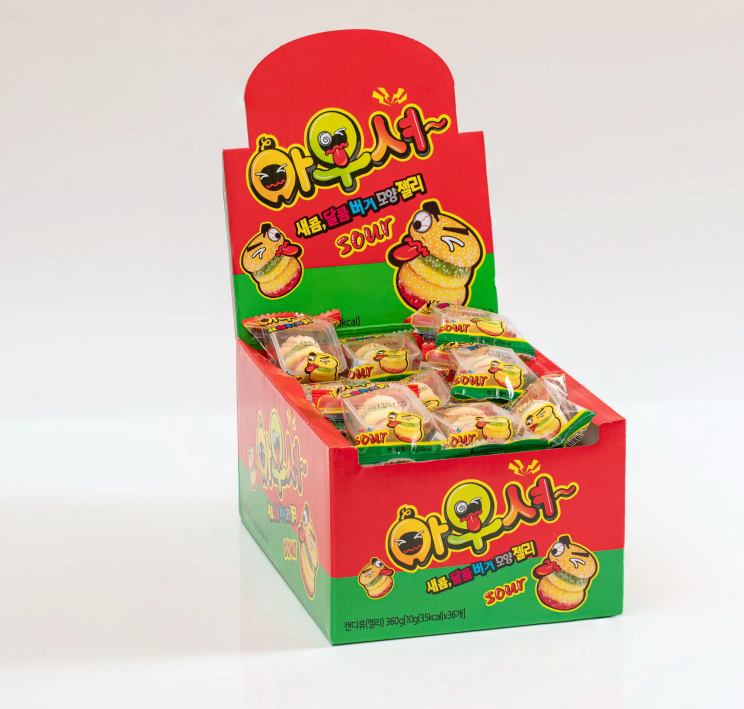
Visual appeal plays a primary role in capturing consumer interest within modern store aisles. Leading gummy candy manufacturers now produce engaging novelty formats designed to stand out on retail shelves. Examples include detailed confectionery designs like hamburger candy, 28g Giant Hotdog Gummy Candy, and 28g Cola Bottle Gummy Candy.
In addition to structural variations, taste preferences are shifting rapidly across different regional markets. Some shoppers prefer classic fruit profiles, while others favor tangy or complex botanical blends. By refining ingredient formulations, gummy candy manufacturers can adjust sweetness levels, fruit juice content, and gelatin elasticity to align with demographic targets.
Technological Innovation Among Leading Gummy Manufacturers
Executing complex product designs efficiently requires substantial investment in modern industrial machinery. Traditional manufacturing setups often struggle to switch quickly between different product specifications. Consequently, modern gummy manufacturers are implementing automated production infrastructure capable of maintaining precise quality control across diverse batch runs.
High-volume production lines must maintain strict consistency in weight, moisture level, and structural integrity. Advanced molding equipment, such as automated NID starch mogul systems imported from Australia, plays an important role in this process. These automated setups help ensure that intricate details remain uniform throughout large-scale commercial orders.
Operational efficiency is equally vital for managing variable production schedules. By optimizing starch drying cycles and automated tray handling, progressive gummy manufacturers can minimize downtime between recipe shifts. This flexibility enables production partners to process diverse orders without compromising on delivery timelines or safety standards.
How HAPI Delivers Specialized Production Services
As retail demands become more complex, specialized production entities are vital for bridging the gap between concept and delivery. Operating as VIET NAM HONGRUN BIOLOGICAL FOOD CO., LTD, HAPI leverages over 25 years of confectionery heritage originating in China. Located in Bac Ninh, Vietnam, the facility provides comprehensive OEM production capabilities.
Product innovation is central to keeping retail inventory fresh and engaging for consumers. HAPI employs five dedicated research and development experts who assist commercial clients in refining custom concepts. This technical support helps transform raw flavor ideas and visual sketches into stable, commercially viable confectionery goods.
The facility offers a broad spectrum of catalog configurations alongside custom developments. Their product matrix includes items such as Fruit Juice Jelly, Cutie Gummies, Halloween Gummy Candy, and 50g Bulk Burger Candy formats. This varied selection provides commercial partners with adaptable options for seasonal promotions or permanent shelf placements.
Packaging Adaptability and Supply Chain Optimization
Diverse retail demand extends beyond flavor and shape to include varied packaging configurations. Store formats ranging from discount centers to boutique shops require distinct presentation styles. Flexible producers offer customized packaging solutions, including individual single-serve pouches, branded display boxes, and bulk shipment containers.
Seasonal marketing cycles also demand rapid supply chain responses from manufacturing partners. Retailers frequently launch limited-edition lines for holidays or special events to drive impulse purchases. Capable producers adjust their scheduling to accommodate seasonal surges, ensuring stores maintain adequate stock levels during peak shopping periods.
Through strategic collaboration, commercial buyers can mitigate supply risks while introducing novel inventory. Working with an international production partner offering disciplined quality control systems helps safeguard brand reputation. Reliable delivery schedules ensure that newly introduced confections arrive on retail shelves without unexpected delays.
Strategic Outlook for the Confectionery Industry
As consumer expectations continue to diversify, the relationship between retail organizations and production facilities will remain pivotal. Retailers that respond quickly to emerging flavor trends and visual formats can build stronger customer engagement. Broadening candy assortments with specialized items helps businesses capture new market segments.
Maintaining a competitive position requires a balanced approach to quality, creativity, and cost efficiency. By partnering with established production entities like HAPI, commercial buyers gain access to advanced technical infrastructure and formulation expertise. This collaborative approach allows stores to focus on marketing and merchandising strategies.
In summary, the confectionery market is evolving toward greater customization and variety. Producers that invest in technical equipment, skilled R&D teams, and versatile product offerings are well-positioned to meet these expectations. Aligning with an experienced manufacturing partner remains a practical path toward sustained retail growth.
