
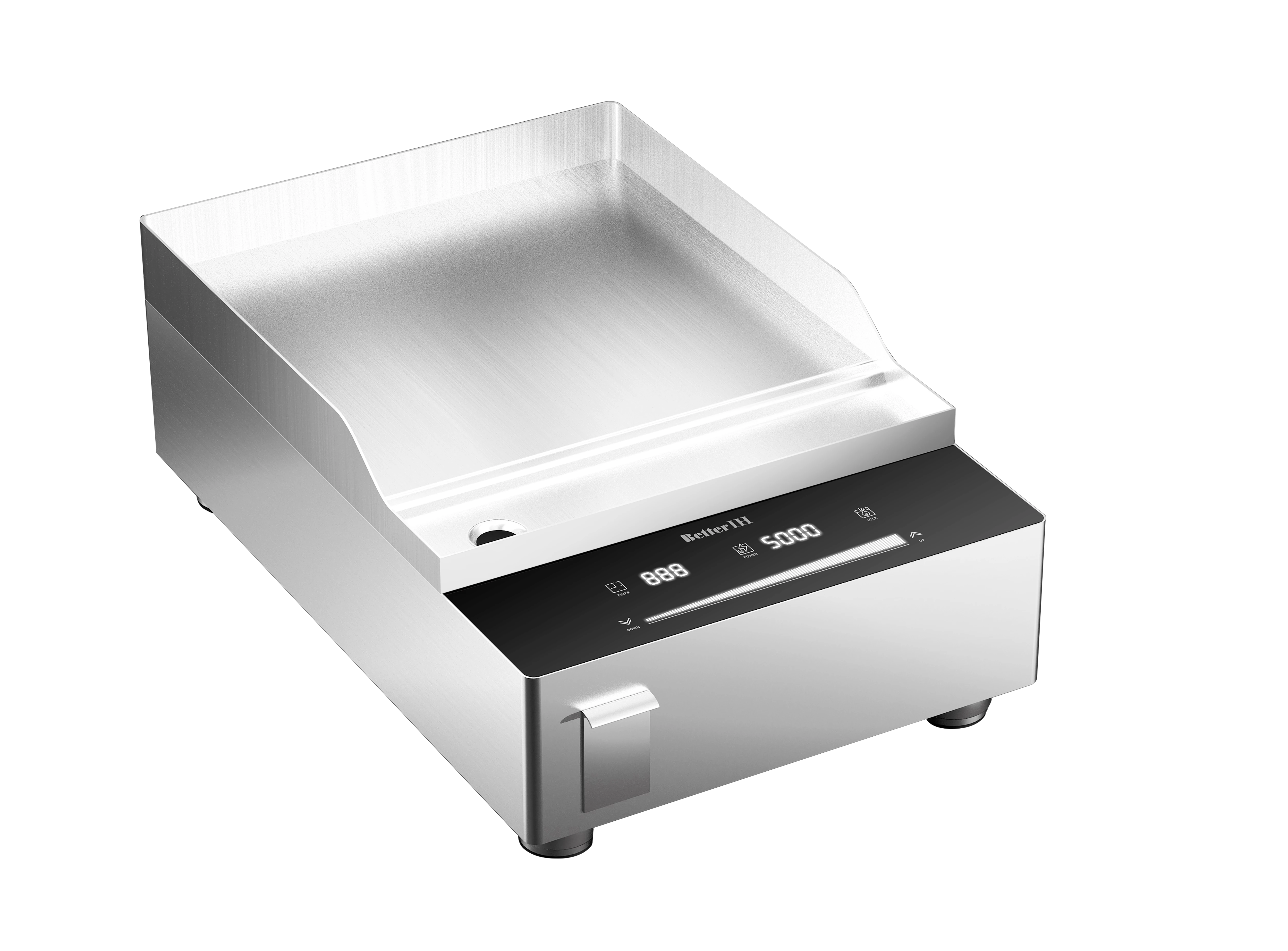
When dinner orders arrive within minutes of one another, kitchen equipment can quickly become a bottleneck. A high-volume restaurant needs enough cooking capacity, but simply adding more appliances does not solve every problem. When considering a commercial induction range, buyers should look at peak-hour demand, menu structure, available space, cookware, and staff workflow. Better Induction is one manufacturer that provides OEM and ODM induction cooking equipment for professional kitchen projects.
What Does the Menu Require from the Equipment?
The menu should be the starting point for equipment planning. Buyers can list the main cooking methods used for popular dishes, such as boiling, simmering, pan-frying, deep-frying, or wok cooking. They can then identify which methods occur at the same time during busy periods.

This process helps restaurants decide what types of appliances they actually need. A kitchen preparing large quantities of stir-fried dishes may place more emphasis on wok stations. A menu with noodles, soups, and sauces may require several boiling and simmering positions instead.
Cookware also needs attention. Buyers should check the type and size of pots or pans used for each dish. Induction-compatible cookware is required for induction cooking, so existing cookware should be reviewed before a kitchen changes its equipment setup.
Peak-Hour Capacity Matters More Than Daily Averages
A restaurant may serve hundreds of customers in one day, but equipment demand is rarely distributed evenly. Lunch and dinner rushes can create short periods when several cooking stations are needed at once. Daily customer numbers alone therefore provide limited guidance for equipment selection.
Kitchen managers can examine order records from busy periods. They can identify which dishes are ordered together and how many pans or pots are normally in use. This gives a more realistic picture of the number of cooking positions required.
A heavy duty induction cooker may suit a station that faces frequent cooking cycles in a professional kitchen. However, equipment should still be selected according to the actual workload. Buyers should compare cooking tasks, operating frequency, cookware, available electrical supply, and installation conditions before deciding on a configuration.
Kitchen Layout Can Affect Service Speed
Equipment capacity means little if cooks cannot move efficiently between stations. Ingredient preparation, cooking, plating, and collection areas should follow a practical sequence. Poor placement can cause staff to cross paths or carry hot cookware farther than necessary.
Buyers can draw a simple kitchen workflow before selecting equipment. Marking the movement of ingredients and finished dishes often reveals where cooking appliances should be located. It can also show whether a larger unit would restrict an aisle or interfere with a nearby preparation bench.
Equipment format should follow this layout rather than determine it. Depending on the menu, a restaurant may use induction cookers, woks, fryers, noodle cookers, cooking carts, or cooking islands. Different equipment can then be assigned to specific stations according to the tasks performed there.
Controls and Construction Affect Daily Work
Controls are used repeatedly during a restaurant shift, so their design deserves practical consideration. Kitchen teams should check whether cooks can adjust settings easily while working. The interface should also suit the restaurant’s operating habits and staff training procedures.
Construction is another factor because cooking surfaces are exposed to regular use and cleaning. Better Induction’s EK600P-2, for example, has a stainless steel body and touch control according to the supplied product information. These features give buyers two specific points to assess against their own cleaning routines and preferred operating method.
A short kitchen trial can provide useful information before a larger order. Staff can prepare frequently ordered dishes, change settings during cooking, and observe how the equipment fits the existing workflow. Feedback from cooks may reveal practical issues that are difficult to identify from specifications alone.
Electrical Conditions Need Early Attention
Electrical planning should take place before equipment is ordered. Buyers need to confirm the available electrical supply at the installation site and compare it with the requirements of the selected equipment. This is particularly relevant when several induction appliances will operate during the same service period.
Ventilation and surrounding equipment should also be considered as part of the kitchen plan. Instead of evaluating one appliance in isolation, project teams can review how cooking, refrigeration, preparation, washing, and service areas interact.
When sourcing a commercial induction range, restaurant groups operating in several markets may also need to check certification requirements for each destination. Certification should be confirmed for the particular product and market rather than assumed from a manufacturer’s general certification list.
When Does OEM or ODM Support Become Relevant?
Restaurant groups and professional kitchen brands sometimes require equipment that differs from an existing standard configuration. In these projects, buyers may discuss dimensions, functions, product appearance, branding, and other project requirements with an OEM or ODM manufacturer.
Founded in 1999, Better Induction focuses on electromagnetic cooking appliances and offers more than 1,000 customizable product options. They provide product design, research and development, and manufacturing support. Their product categories include induction cookers, induction woks, induction fryers, noodle cookers, cooking carts, and cooking islands.
For buyers, however, manufacturing capability is only one part of the decision. A supplier should be evaluated against the restaurant’s actual equipment plan, target market, required documentation, project schedule, and product requirements.
A Practical Check Before the Purchase Decision
Before placing an order, buyers can return to the busiest service period and ask a simple question: can the planned equipment support the dishes that cooks need to prepare at the same time? This keeps the purchasing decision connected to real kitchen activity rather than individual product specifications.
The same check applies to a heavy duty induction cooker or another professional cooking appliance. Menu requirements, cookware, station layout, electrical conditions, cleaning routines, and operator feedback should all be reviewed together. For a high-volume restaurant, equipment selection works better when it starts with what happens during service and works backward from there.
