
Reliable backup power depends on more than selecting the right generator. For contractors, facility operators, rental businesses, and other professional users, routine maintenance helps reduce unexpected downtime, protect equipment, and keep portable power assets ready when needed. This is especially important when businesses need generators portable enough to move between jobsites, facilities, and temporary power locations. FIRMAN’s portfolio covers petrol generators, diesel generators, multi-fuel models, inverter generators, engines, and other power machinery.
Understand the Generator Before Scheduling Maintenance

A practical maintenance program starts with the exact generator model. Portable units can differ in engine type, oil capacity, fuel system, starting method, alternator design, and rated output. These details determine what should be checked and how often.
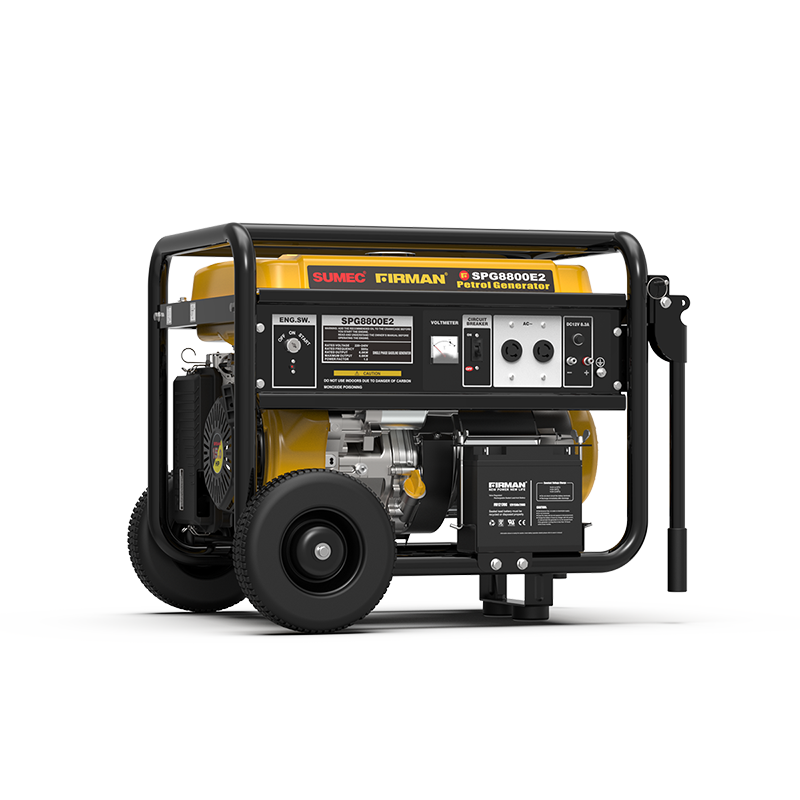
FIRMAN’s SPG Series includes multiple petrol generator models ranging from compact units to higher-output equipment. The SPG8800E2 is rated at 6000W running watts and 6600W starting watts, uses an SFE439 engine, has a 25L fuel tank and 1.1L oil capacity, and weighs 98.5kg. These specifications show why procedures should match the actual model.
Check Engine Oil and Fuel Regularly
Engine lubrication is one of the first maintenance points for gasoline-powered equipment. Operators should check the oil level before operation and follow the manufacturer’s recommended oil type, replacement interval, and filling procedure. Running with insufficient or unsuitable oil can increase friction and accelerate engine wear.
Fuel management also matters when equipment is stored between projects. Old or contaminated gasoline can create starting and operating problems. Business users should follow the generator manufacturer’s instructions for fuel storage, draining, and handling rather than leaving fuel management until the next emergency.
Keep Airflow and Cooling Paths Clear
Portable generators need adequate airflow to manage operating temperatures. Dust, debris, grass, and other materials can accumulate around ventilation openings and engine components, particularly on construction sites or outdoor work areas.
Operators should inspect the unit regularly and clean accessible areas. A clean generator is easier to inspect, while blocked airflow can contribute to excessive heat. Maintenance teams should also check that protective covers, panels, and fasteners remain secure after transportation.
Protect the Generator From Moisture and Corrosion
Outdoor use exposes portable equipment to changing weather conditions. FIRMAN notes that generators can be used in various weather and temperature conditions, but they should be protected against short circuits and rust. Most importantly, a portable generator should never be operated indoors because exhaust gases can create a serious safety hazard.
After outdoor use, operators should inspect the generator for visible moisture, dirt, corrosion, or damage. When the unit is stored, a dry, protected location can help reduce environmental exposure. Business fleets should make these inspections part of the return-to-storage process.
Exercise the Generator During Extended Storage
A generator that sits unused for months may not be ready when an outage or jobsite requirement occurs. FIRMAN recommends running its generator once a month with a load. This provides an opportunity to confirm starting, operating, and power-delivery performance before the equipment is urgently needed.
Long-term storage also requires attention to internal engine protection. FIRMAN explains that adding engine oil through the spark plug hole can help prevent cylinder rust when a generator will not be used for an extended period. This procedure should follow the applicable product manual.
Inspect Connections and Operating Components
Routine visual inspections can identify small problems before they become costly failures. Maintenance personnel can check power outlets, cables, switches, connectors, control panels, fasteners, wheels, handles, and the frame for signs of damage or abnormal wear.
Electrical components deserve particular attention after transportation or heavy site use. Any damaged cable, loose connection, burnt component, or unusual operating symptom should be addressed before the generator returns to service. Qualified technicians should handle repairs requiring electrical or engine-system expertise.
Build a Maintenance Record for Business Fleets
Professional buyers may manage several generators across locations. A simple maintenance record can document operating hours, oil changes, inspections, repairs, storage periods, and service dates. It helps teams identify recurring issues and plan service before equipment becomes unavailable.
For companies evaluating power equipment manufacturers, service support should therefore be considered alongside specifications. FIRMAN provides after-sales service and accredited service resources in markets where it operates, supporting customers beyond the initial equipment purchase.
Choose Equipment With Maintenance in Mind
Maintenance is easier when buyers select equipment suited to the operating environment and power requirement. FIRMAN offers multiple generator lines for different output and application requirements, alongsideother power machinery. Its buying guide also distinguishes running watts from starting watts, helping users estimate capacity based on connected loads.
For business applications, buyers should consider portability, fuel type, starting system, operating conditions, service access, and maintenance requirements, not just output.
A Practical Routine Supports Reliable Power
Long-term generator performance is built through consistent care rather than emergency servicing. Routine maintenance like checking oil and fuel, maintaining airflow, preventing damage, and exercising the unit monthly under load ensures core reliability. Additionally, protecting the cylinder during extended storage and thoroughly documenting all inspections will maximize equipment readiness.
For companies comparing portable generators for professional use, maintenance requirements should be part of the purchasing decision from the beginning. FIRMAN’s broad power-equipment portfolio and service resources provide one option for businesses seeking portable power solutions.
