
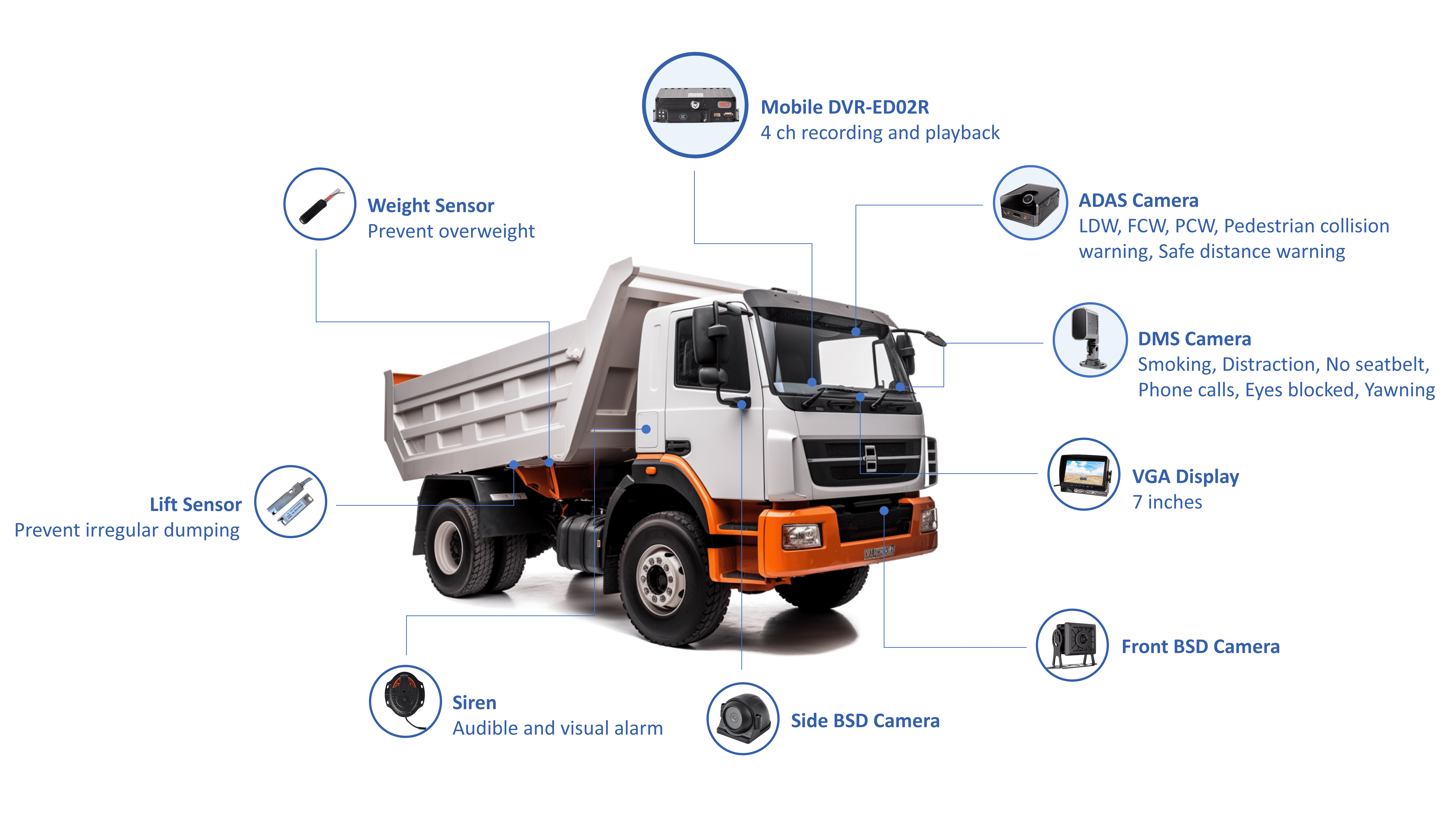
Mining fleets work under demanding conditions. Heavy trucks move through changing routes, blind areas, loading zones, steep roads, and mixed traffic. A suitable fleet management system should therefore support more than vehicle tracking. Buyers need to evaluate visibility, safety, dispatching, equipment condition, integration, and field support. These factors directly affect how useful the system will be during daily mining operations.
Real-Time Visibility Should Support Operations
Vehicle location is one of the first functions to review. Dispatchers should be able to see where trucks are, which routes they are using, and whether delays are developing around loading or unloading areas.

Good mining fleet management software should also show operational patterns. Long idle periods, repeated route deviations, excessive waiting, or unusual stops may point to workflow problems. These records help managers investigate delays instead of relying only on driver reports.
Visibility becomes more useful when location information is combined with operating status. Vehicle movement, engine condition, driver activity, and alerts can give supervisors a clearer picture of what is happening across the mine.
Safety Functions Need More Than Basic Alerts
Mining roads often include blind corners, narrow passages, steep slopes, large vehicles, and limited visibility. Safety functions should therefore reflect real site risks instead of generating general warnings without context.
A mining collision avoidance system should help drivers recognize nearby hazards and support supervisors when reviewing repeated high-risk events. Alert logic is important because too many unnecessary warnings may reduce driver attention over time.
Driver behavior monitoring also deserves attention. Speeding, harsh braking, sudden acceleration, and aggressive turning can be recorded and reviewed with location data. This makes it easier to understand why an incident happened and where additional training may be needed.
Dispatching Affects the Whole Haulage Cycle
Mining productivity depends heavily on vehicle coordination. Trucks that arrive too early may create queues. Trucks that arrive too late can leave loading equipment waiting. Poor dispatching can also increase unnecessary travel and fuel use.
A useful system should help dispatchers compare truck availability, loading demand, route conditions, and current vehicle status. When site conditions change, operators need enough information to adjust assignments without relying on delayed manual communication.
This is where mining fleet management software becomes more valuable than simple GPS tracking. Real-time dispatch data can help teams react when a route closes, a truck becomes unavailable, or production priorities change during a shift.
Integration Should Fit the Existing Technology Stack
Mining companies rarely operate with one digital platform. A site may already use maintenance systems, dispatch software, ERP tools, GPS platforms, camera systems, or third-party fleet applications.
For this reason, buyers should check how easily new telematics hardware can exchange data with existing systems. Open interfaces and third-party compatibility can reduce duplicate work and make future expansion easier.
This area is especially important for distributors and system integrators. BSJ Technology supports integration with third-party platforms such as Wialon and GpsGate. They also provide OEM and ODM options for projects that require hardware adaptation or integration with different software environments.
Hardware Has to Match Mining Conditions
Software quality depends on the data collected from vehicles. Mining trucks operate for long hours and may face vibration, dust, temperature variation, rough roads, and frequent engine cycles. Hardware selection should account for these operating conditions.
The Mining Truck solution combines GPS tracking, driver behavior monitoring, vehicle health diagnostics, safety alerts, and intelligent dispatching. These functions can help fleet teams connect vehicle movement with driver activity and equipment condition.
For projects using a mining collision avoidance system, buyers should also review how cameras, positioning devices, warning functions, and event records work together. Separate devices may solve individual problems, but connected information can make incident analysis more useful.
Maintenance Data Can Reduce Operational Blind Spots
Vehicle breakdowns can disrupt the haulage cycle and create pressure on both maintenance and dispatch teams. Fleet systems should therefore provide useful vehicle health information rather than focus only on location.
Diagnostic data can help maintenance teams identify abnormal conditions and review recurring faults. When maintenance information is linked with operating hours and vehicle usage, teams can plan inspections with better context.
Managers should also consider how easy it is to export reports. Clear records support maintenance planning, internal reviews, compliance documentation, and discussions between fleet, safety, and workshop teams.
Support and Customization Matter During Deployment
Mining projects often include different truck types, site layouts, reporting requirements, and operating rules. The same hardware configuration may not suit every deployment.
Technical support is important during installation, device configuration, integration, firmware updates, and troubleshooting. Buyers should ask who provides support, how issues are handled, and whether configuration changes can be made when project requirements evolve.
BSJ Technology has more than 400 R&D personnel and a global technical support department. Their capabilities also include hardware engineering, customization, OEM and ODM cooperation, quality control, certification support, and an expanding AI video telematics product range.
The Right Choice Starts With Site Requirements
Choosing a fleet management system should begin with real operating problems rather than a long feature list. Fleet managers should first identify where delays occur, which safety risks are common, how dispatch decisions are made, and what vehicle data is currently missing.
A mining collision avoidance system should address specific safety scenarios, while mining fleet management software should support broader tasks such as vehicle visibility, dispatching, driver monitoring, maintenance awareness, and reporting.
For fleet owners, transport operators, distributors, and system integrators, the final decision should depend on how well the system fits the mine’s vehicles, routes, workflows, software environment, and support needs. A practical match between technology and daily operations usually creates more value than selecting functions that are rarely used.
