
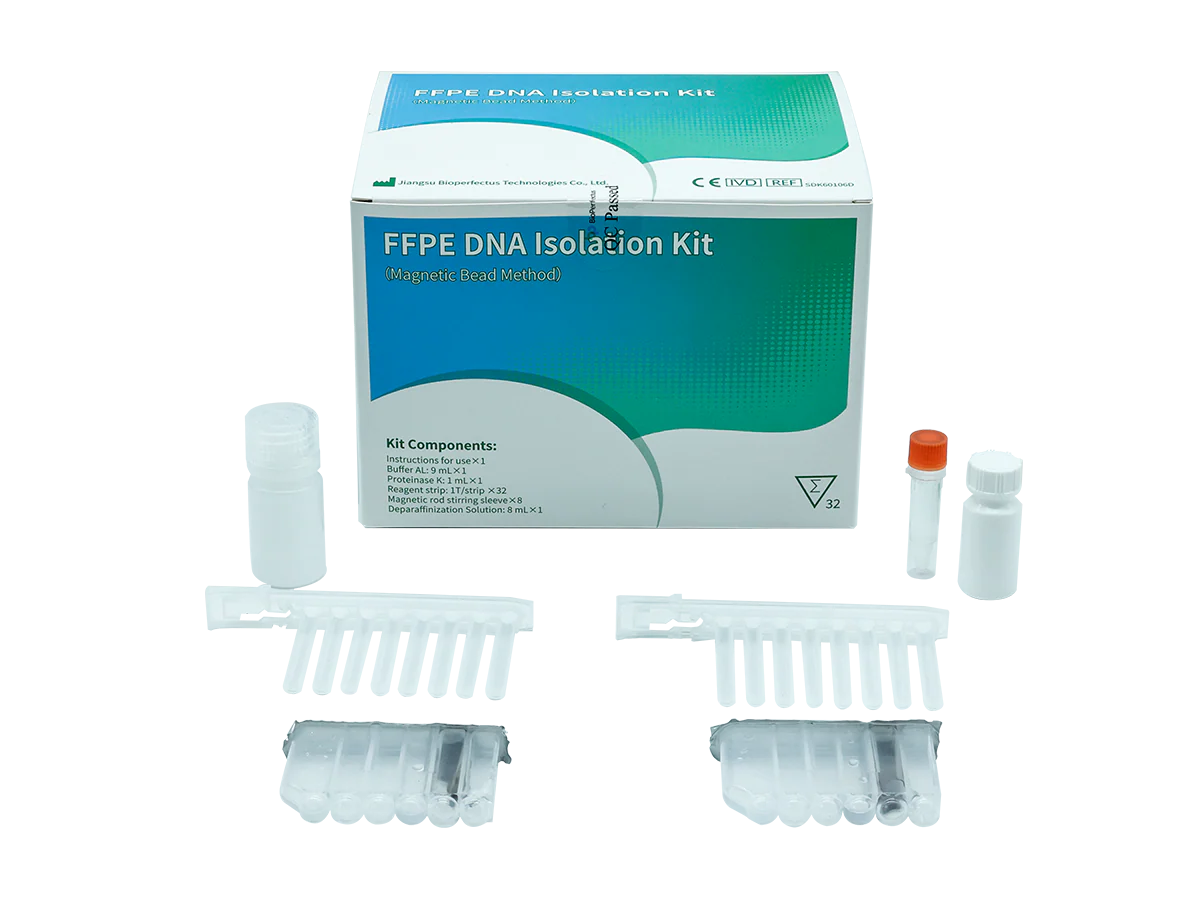
Obtaining high-quality genetic material from archived tissues is a common goal in molecular biology. For scientists working on nucleic acid extraction from Formalin-Fixed Paraffin-Embedded (FFPE) blocks, maximizing DNA yield is a primary focus. The ffpe dna extraction process presents specific challenges that can be addressed through careful technique and reliable reagents. BPLabLine supports these laboratory efforts by providing consistent tools for molecular biology workflows.
Optimizing Section Preparation
The initial handling of FFPE blocks significantly influences downstream success. Using clean microtome blades and cutting slightly thicker sections, such as 10-15 micrometers, can increase the starting material without compromising lysis. Placing these sections in specialized microcentrifuge tubes designed for efficient digestion is a simple yet effective step. Proper sectioning helps prevent sample loss at the very start of the ffpe dna extraction protocol.
The Role of Thorough Deparaffinization

Complete paraffin removal is a non-negotiable step for effective nucleic acid extraction. Residual paraffin can create a physical barrier, inhibiting enzyme activity during protein digestion and later PCR amplification. Using the recommended volumes of xylene or proprietary deparaffinization solutions, followed by careful ethanol washes, ensures the tissue pellet is fully accessible to the extraction reagents.
Mastering Digestion and Incubation
The protein digestion phase is where DNA is liberated from the cross-linked tissue. Extending the incubation time with proteinase K, sometimes for over 24 hours, and using a higher-temperature shaking incubator can greatly improve breakdown efficiency. Adding a post-digestion heat step may also help reverse some formaldehyde-induced crosslinks, further boosting the yield for the ffpe dna extraction.
These refined techniques, supported by the robust nucleic acid extraction platforms available from BPLabLine, allow researchers to improve the quantity of DNA isolated from precious FFPE archives. Recovering more genetic material from these samples enables more comprehensive genetic analysis and supports the generation of reliable data for research advancements.
