
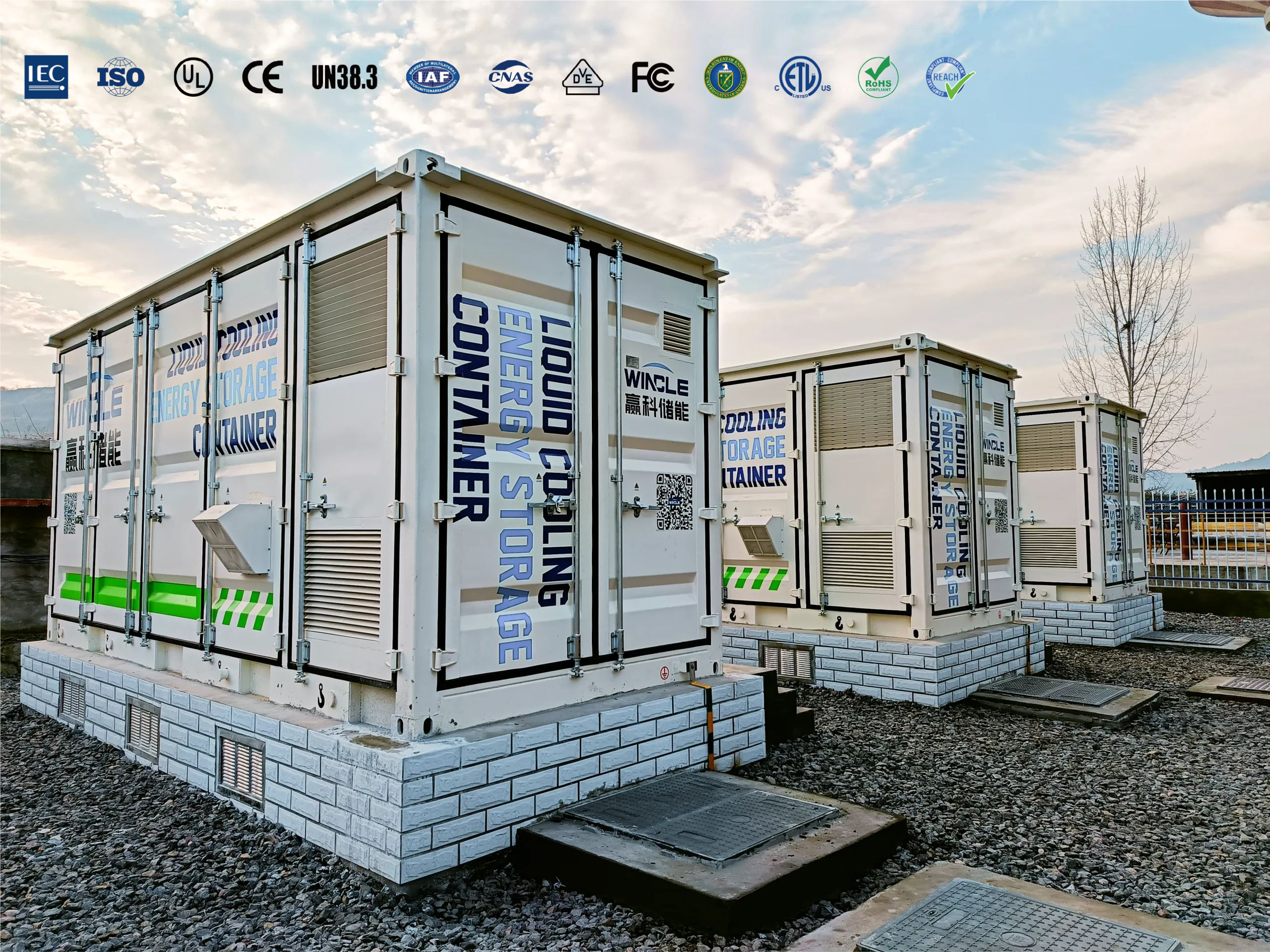
Energy storage technologies have evolved rapidly, allowing businesses and utilities to manage power more efficiently. Wenergy has positioned itself as a provider of advanced energy solutions, specializing in both utility scale battery storage and commercial & industrial (C&I) systems. Understanding the differences between utility scale energy storage systems and C&I storage solutions is essential for energy planners and industrial operators. They offer systems designed for diverse needs, including Utility Scale Energy Storage Solutions with high energy density, modularity, and smart management features.
Capacity and Scale
The primary distinction between utility scale battery storage and C&I energy storage lies in capacity. Utility scale energy storage systems are designed to support large-scale operations, such as grid stabilization, renewable energy integration, and peak load management. They maximize storage capacity in a compact design, allowing utilities to store significant energy volumes efficiently. In contrast, C&I storage systems typically serve individual facilities, factories, or commercial complexes, focusing on managing energy usage locally rather than supplying power to a broad network. Wenergy ensures that their systems are modular and scalable, enabling both utility and industrial clients to expand capacity as needed.
System Management and Technology

Another key difference is in system management and technology integration. Utility scale energy storage systems often incorporate advanced AI-driven energy management systems (EMS) to optimize performance and interact seamlessly with the grid. These systems monitor load demands, predict energy needs, and adjust storage outputs accordingly. C&I systems, while still technologically advanced, prioritize operational efficiency and cost savings for specific sites. Wenergy equips their solutions with smart management tools, ensuring that both utility-scale and industrial storage systems deliver reliable, efficient performance across varying operational contexts.
Safety and Compliance
Safety standards and certifications also differentiate these systems. Utility scale battery storage requires stringent safety compliance due to the high energy involved. Wenergy ensures that their systems comply with multiple international standards, including UL 1973, UL 9540, UL 9540A, IEC 62619, IEC 62933, CE, UN 38.3, FCC, TÜV, and DNV certifications. C&I systems, though smaller in scale, adhere to similar safety requirements but with a focus on site-specific risk mitigation. These certifications provide assurance that both utility and industrial storage solutions operate safely under various conditions.
Conclusion
Understanding the differences between utility scale battery storage and C&I solutions is critical for effective energy management. Wenergy delivers versatile utility scale energy storage systems that combine high energy density, modular scalability, and smart EMS management to meet the needs of large-scale utilities while maintaining strict safety standards. By providing solutions tailored to both large grid operations and commercial or industrial applications, they help organizations maximize efficiency, reliability, and sustainability. Choosing the appropriate system depends on the scale of energy needs, integration requirements, and operational goals, and Wenergy’s comprehensive portfolio addresses these factors effectively.
